
Your HVAC system is an important part of keeping your home safe and comfortable year-round. Royal Heating & Air cares about you and your family, and we're here to give you 5 important steps every homeowner should take to keep their HVAC working properly and stay safe. Keep reading to learn them all!
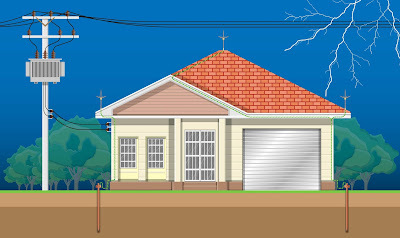
1. Install a Surge Protector on Your Outdoor Units
Lightning can be a very serious hazard to your HVAC system. A strike at or nearby your home can damage or completely ruin your system’s components or wiring. Of course, your system is hard wired in, so you can’t just plug it into a surge protector. But you can add a whole-house surge protector, which will not only protect your HVAC system but everything that is plugged into your home’s electrical system.
2. Covering Your AC Unit in the Winter
Having your air conditioner covered during the fall can prevent leaves, yard waste, sticks and other debris from getting stuck inside. During the winter, a cover can protect your unit from falling ice as well. Falling ice can cause a lot of damage to your AC unit that could require costly repairs. Additionally, they prevent water from resting directly on the AC unit's coils and freezing, which could damage them. Overall, a cover helps keep the coils cleaner so the unit runs more efficiently the next time your AC unit is turned on. One thing to keep in mind is that a cover could entice animals to make their shelter in your covered AC unit, away from the cold.
*NOTE: You should only cover an air conditioning unit; do not use a cover if your system is a heat pump. Heat pumps should not be covered.
As your HVAC system runs, it accumulates dust and dirt in key areas that affect its efficiency, like the condensing coils and air filters. If this is left unchecked, your AC system can lose 5 percent of its operating efficiency each year because of the buildup! This means that your AC won’t be able to cool your house as well as it could if it were clean, costing you more money.
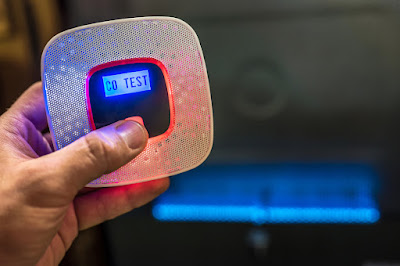
The temperatures are starting to drop and heaters are getting turned on to keep the house warm through the night already. When you use your furnace, the number one danger of a failure is a carbon monoxide (or CO) leak. This is one of the important reasons why you should schedule heating maintenance early and install carbon monoxide detectors in your home. CO detectors should be installed just like smoke detectors. This means they should be installed in all of the major areas in your home; preferably on every level of the house and outside of each bedroom. It’s also a good idea to test all of your CO and smoke detectors once a month.
Regular preventative maintenance can not only increase efficiency and lifespan, it also helps you discover and repair things before they lead to bigger problems, more expensive repairs, and potential outages. If you have not had your furnace serviced yet this year, we have HVAC technicians at the Lake of the Ozarks ready to help!
3. Keeping the Condensing Coil Clean
As your HVAC system runs, it accumulates dust and dirt in key areas that affect its efficiency, like the condensing coils and air filters. If this is left unchecked, your AC system can lose 5 percent of its operating efficiency each year because of the buildup! This means that your AC won’t be able to cool your house as well as it could if it were clean, costing you more money.
4. Install Carbon Monoxide Detectors
The temperatures are starting to drop and heaters are getting turned on to keep the house warm through the night already. When you use your furnace, the number one danger of a failure is a carbon monoxide (or CO) leak. This is one of the important reasons why you should schedule heating maintenance early and install carbon monoxide detectors in your home. CO detectors should be installed just like smoke detectors. This means they should be installed in all of the major areas in your home; preferably on every level of the house and outside of each bedroom. It’s also a good idea to test all of your CO and smoke detectors once a month.
5. Schedule HVAC Maintenance Checks
Regular preventative maintenance can not only increase efficiency and lifespan, it also helps you discover and repair things before they lead to bigger problems, more expensive repairs, and potential outages. If you have not had your furnace serviced yet this year, we have HVAC technicians at the Lake of the Ozarks ready to help!
Bonus: What a Maintenance Check Entails
When one of our technicians arrives for a fall HVAC maintenance check at the Lake of the Ozarks, the first thing that will happen is your system and its components will be inspected. If parts are dirty, they will be cleaned, if there are signs of wear or damage, those will be addressed. Moving parts will be lubricated and if the filter is clogged it will be replaced. The air handler will be checked out to make sure it is in good working condition and cleaned if needed. Airflow efficiency will be measured and your thermostat will also be tested and calibrated if necessary. In addition, the technician will monitor the system while it is on to make sure it is functioning properly and not using more power than it should be. If you have a gas furnace the burner will be cleaned and the heat exchanger checked for signs of cracking or corrosion, too. Any issue that is found will be brought to your attention and discussed along with repair solutions.
Best HVAC at the Lake of the Ozarks
Whatever your heating and cooling needs, Royal Heating & Air is here for you! We know what steps to take to keep you and your home safe year-round. Give us a call to schedule your maintenance check or learn more about the services we provide.
Royal Heating & Air - "The King of Comfort"


